
A Little Gingerbread Magic

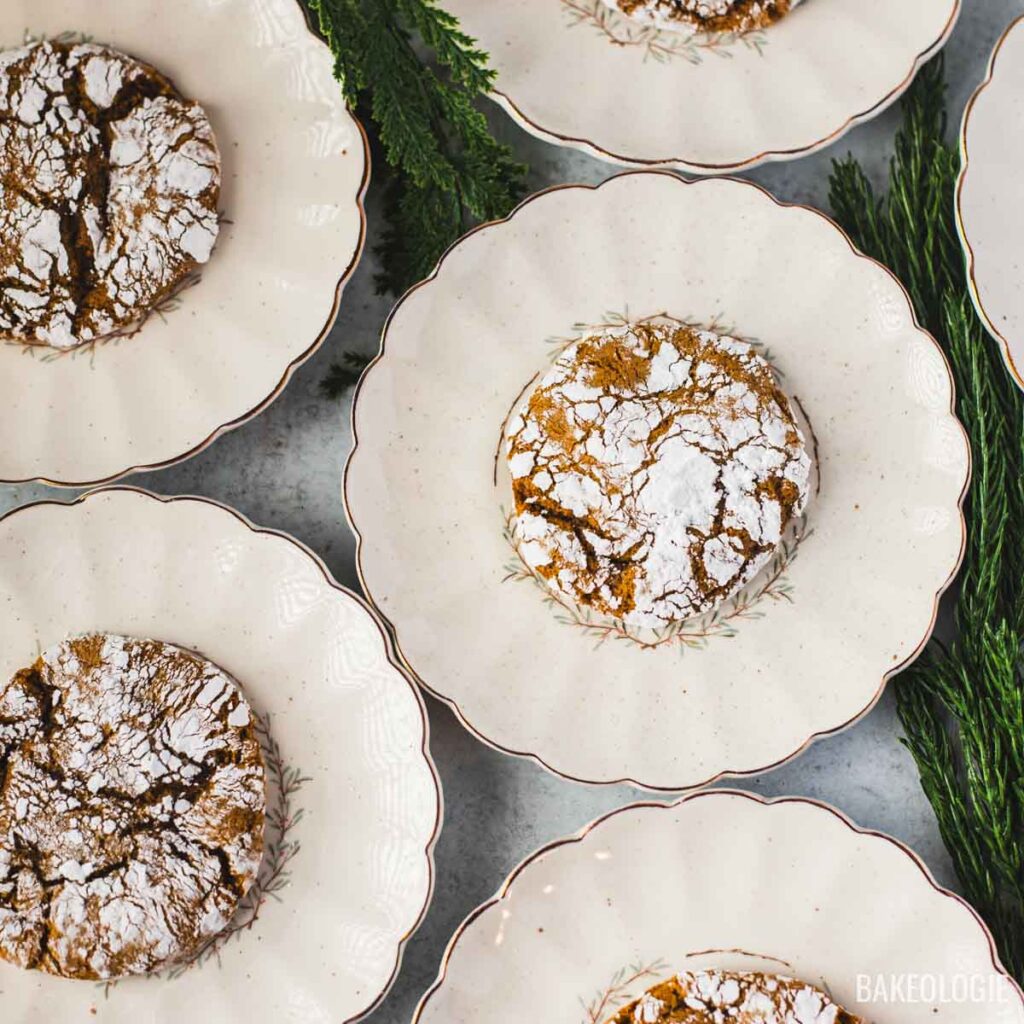
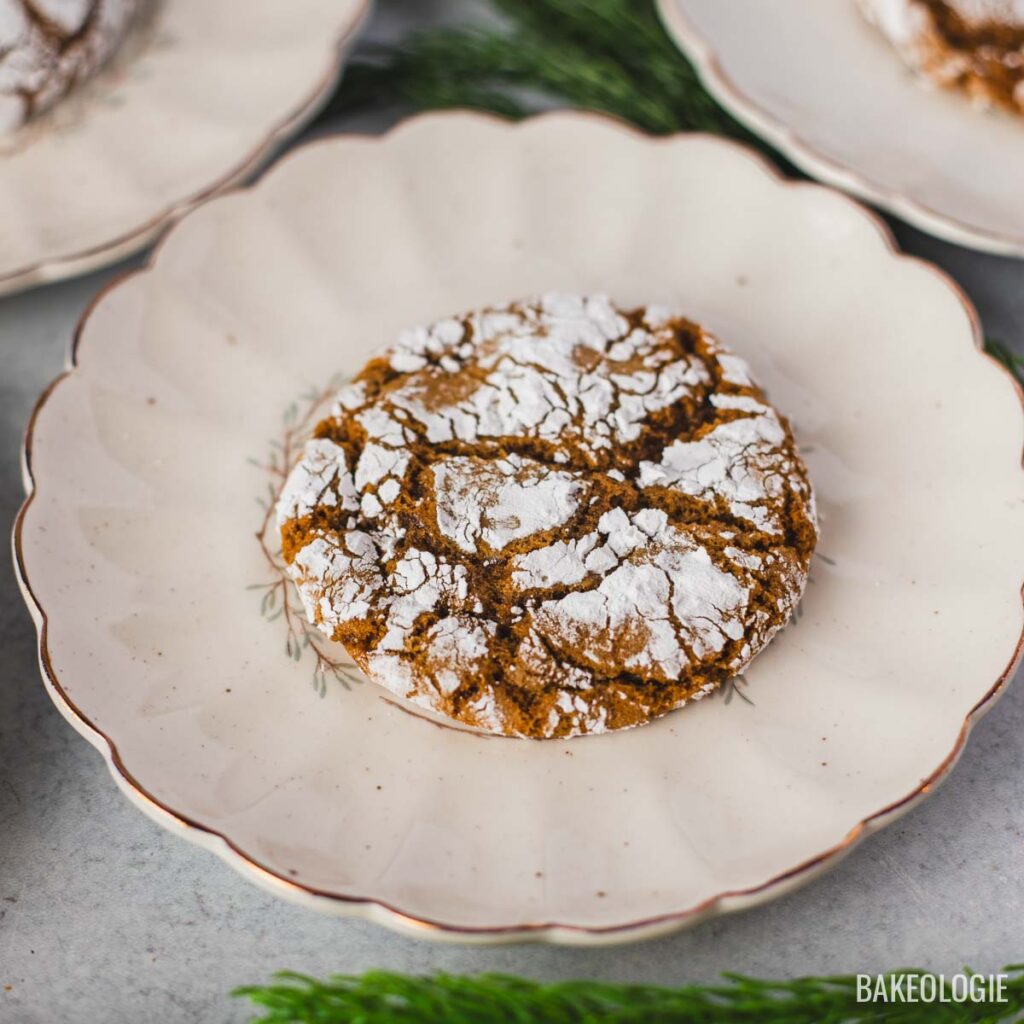
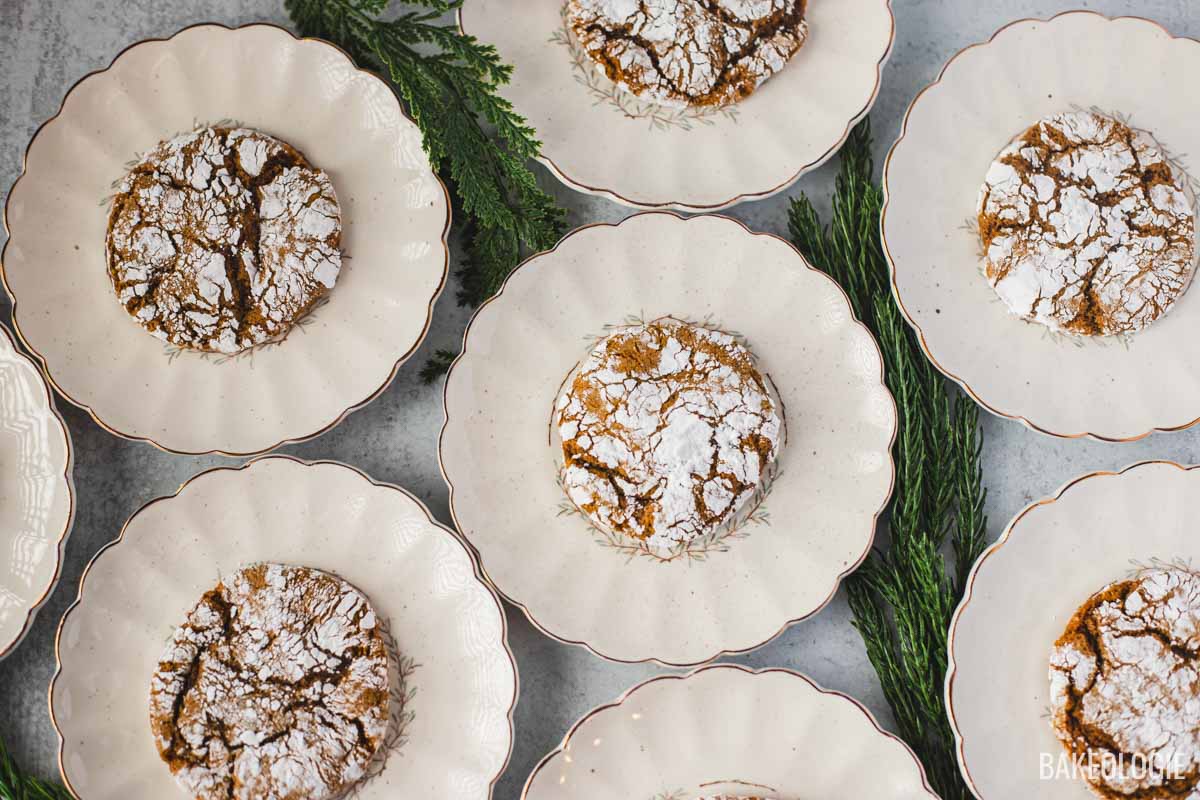
There’s something about gingerbread that instantly reminds me of the holidays. The combination of molasses, ginger, and cinnamon gives these cookies that unmistakable warm, spiced flavor, while the snowy powdered sugar coating makes them look especially festive.
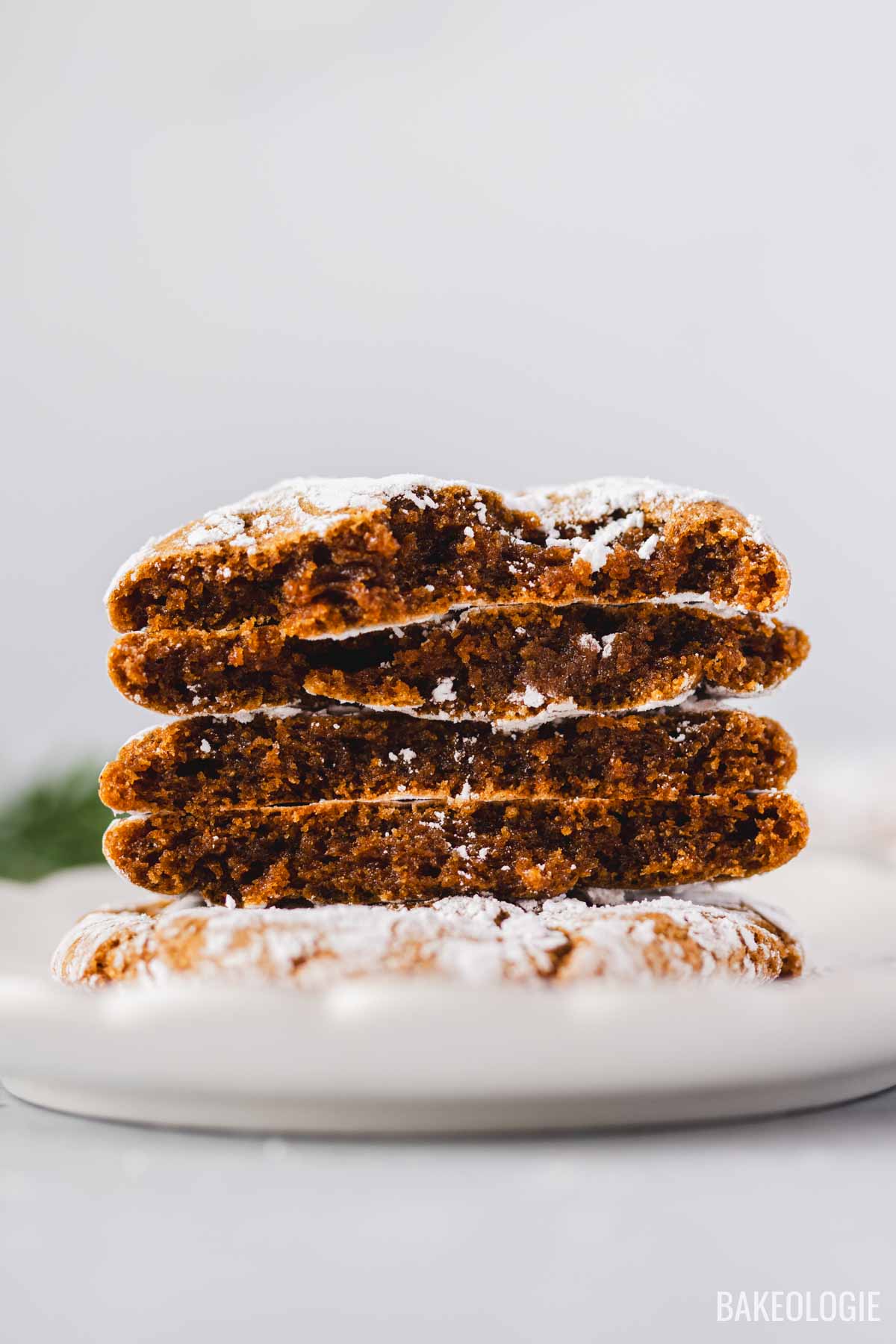
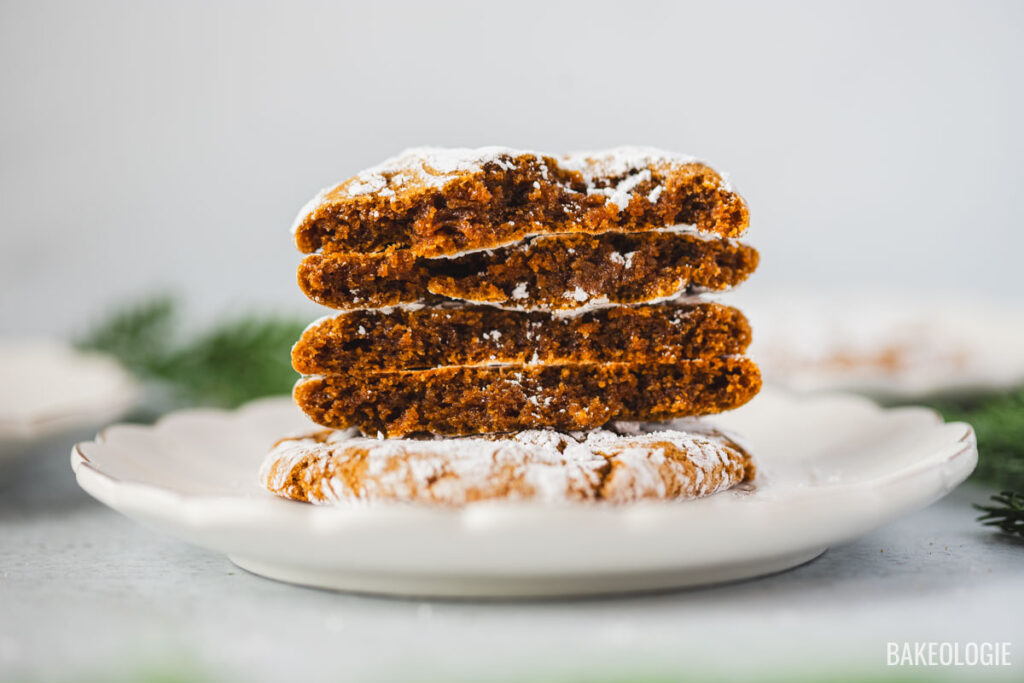
What I love most about these cookies is their texture. Rather than being dry or cakey, they’re soft and fudgy in the middle with slightly crunchy edges. They puff up beautifully in the oven, creating those gorgeous cracks, then settle a little as they cool. That settling is completely normal and gives them their lovely dense, fudgy center.
During testing, I also tried chilling the dough for 24 hours, just like I do with my Chocolate Crinkle Cookies, to see if it would make these gingerbread crinkles thicker. Surprisingly, it didn’t make much difference! The cookies still puffed up during baking and settled as they cooled. So there’s no need to chill the dough overnight unless you’re preparing it ahead of time.
If you love crinkle cookies as much as I do, I have a few more flavors for you to try! My Chocolate Crinkle Cookies are rich and fudgy, while Black Cocoa Crinkle Cookies have a deep, dark chocolate flavor that’s not overly sweet. And for something a little different, try my purple Ube Crinkle Cookies, made with ube powder and extract instead of halaya.
They’re all wonderful additions to a Christmas cookie box, and the different colors look especially pretty together!
Happy baking, Trish.
Why You’ll Love This Recipe
Frequently Asked Questions
❤️ Tried this recipe and loved it? If you made this recipe or any other recipe on this site, please leave a ⭐️⭐️⭐️⭐️⭐️ rating + review below – or tag @thebakeologie on Instagram and hashtag it #bakeologie !
Gingerbread Crinkle Cookies (Soft & Fudgy)
INGREDIENTS
- 65g (⅓ cup ) granulated white sugar
- 85g (about ⅓ cup + 1 tablespoon, packed ) dark brown sugar
- 45g (3 tablespoons + 1 teaspoon ) neutral oil, such as canola oil
- 55g about 2 tablespoons + 2 teaspoons fancy molasses Do not use balckstrap molasses.
- 50g (about 1 large whole egg) eggs, at room temperature (weight is without shell)
- 20g (about 1 large egg yolk) egg yolk, at room temperature
- 1 teaspoon vanilla extract
- 190g (about 1½ cups) all-purpose flour. If measuring by cups, use the spoon-and-level method.
- 1¼ teaspoons ground ginger
- 1 teaspoon ground cinnamon
- 1/16 teaspoon ground cloves one measuring pinch
- ⅛ teaspoon ground nutmeg
- 2g (½ teaspoon) baking powder
- 1g (¼ teaspoon ) baking soda
- 1.5g (¼ teaspoon) fine sea salt
- 60g (½ cup) powdered sugar/ icing sugar, or as needed
INSTRUCTIONS
- Mix the wet ingredients. In a large bowl, whisk the granulated white sugar, dark brown sugar, neutral oil, fancy molasses, whole egg, egg yolk, and vanilla extract until smooth, thick, and glossy, with no large brown sugar lumps.65g (⅓ cup ) granulated white sugar85g (about ⅓ cup + 1 tablespoon, packed ) dark brown sugar45g (3 tablespoons + 1 teaspoon ) neutral oil, such as canola oil55g about 2 tablespoons + 2 teaspoons fancy molasses50g (about 1 large whole egg) eggs, at room temperature (weight is without shell)20g (about 1 large egg yolk) egg yolk, at room temperature1 teaspoon vanilla extract
- Add the dry ingredients. Add the all-purpose flour, ground ginger, ground cinnamon, ground cloves, ground nutmeg, baking powder, baking soda, and fine sea salt directly to the bowl, sprinkling the spices and leaveners evenly over the flour. Fold gently with a spatula, scraping the bowl, until no dry flour remains. The dough will be thick and sticky; don’t add extra flour.190g (about 1½ cups) all-purpose flour. If measuring by cups, use the spoon-and-level method.1¼ teaspoons ground ginger1 teaspoon ground cinnamon1/16 teaspoon ground cloves⅛ teaspoon ground nutmeg2g (½ teaspoon) baking powder1g (¼ teaspoon ) baking soda1.5g (¼ teaspoon) fine sea salt
- Cover and chill. Press plastic wrap directly against the dough’s surface to prevent a dry skin. Refrigerate for at least 1 hour, or until firm enough to scoop and roll (often 1½–2 hours).
- Preheat the oven. Heat to 350°F (175°C), conventional/no fan, with a rack in the middle. Line a half-sheet pan with parchment paper.
- Portion the dough. Using a kitchen scale, divide the chilled dough into 40g portions (about 2½ tablespoons of dough per cookie). If you don't have a kitchen scale, use a slightly heaping 2-tablespoon cookie scoop.Gently roll each portion between your palms to form a smooth ball. If the dough becomes too soft or sticky while you're working, return it to the refrigerator briefly.
- Coat with powdered sugar. Put the powdered sugar in a small bowl and generously roll each dough ball until fully white. Don't let the coated dough sit for too long, as it may absorb some of the sugar.60g (½ cup) powdered sugar/ icing sugar, or as needed
- Arrange on the pan. Space the dough balls roughly 3 inches apart; approximately 8 fit on a half-sheet pan.
- Bake. Bake one pan at a time for 10–11 minutes. Look for cracked, puffed tops, set edges, and slightly soft centers. Start checking at 10 minutes for the fudgy texture.
- Cool. Let the cookies cool on the baking sheet for approximately 10 minutes, then move to a wire rack. They will settle as they cool; that’s normal.