

Luscious and refined – This Swiss Meringue Buttercream is my favorite frosting because it’s smooth, silky, and not tooth-achingly sweet! It can be used on a variety of cakes and cupcakes as it can easily be flavored. For this recipe, I am using vanilla, but chocolate, espresso powder, fruit purees, caramel, and lemon zest are excellent alternatives too!
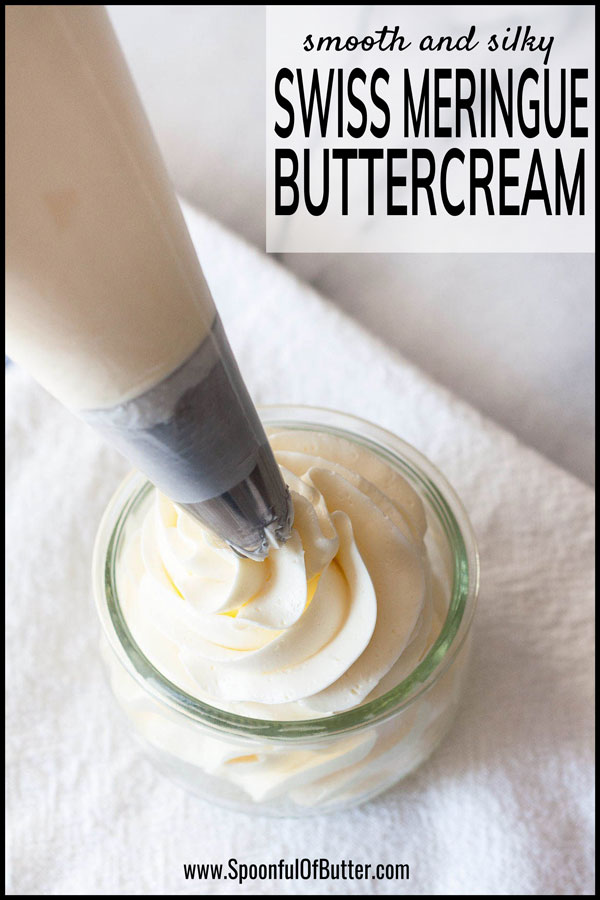
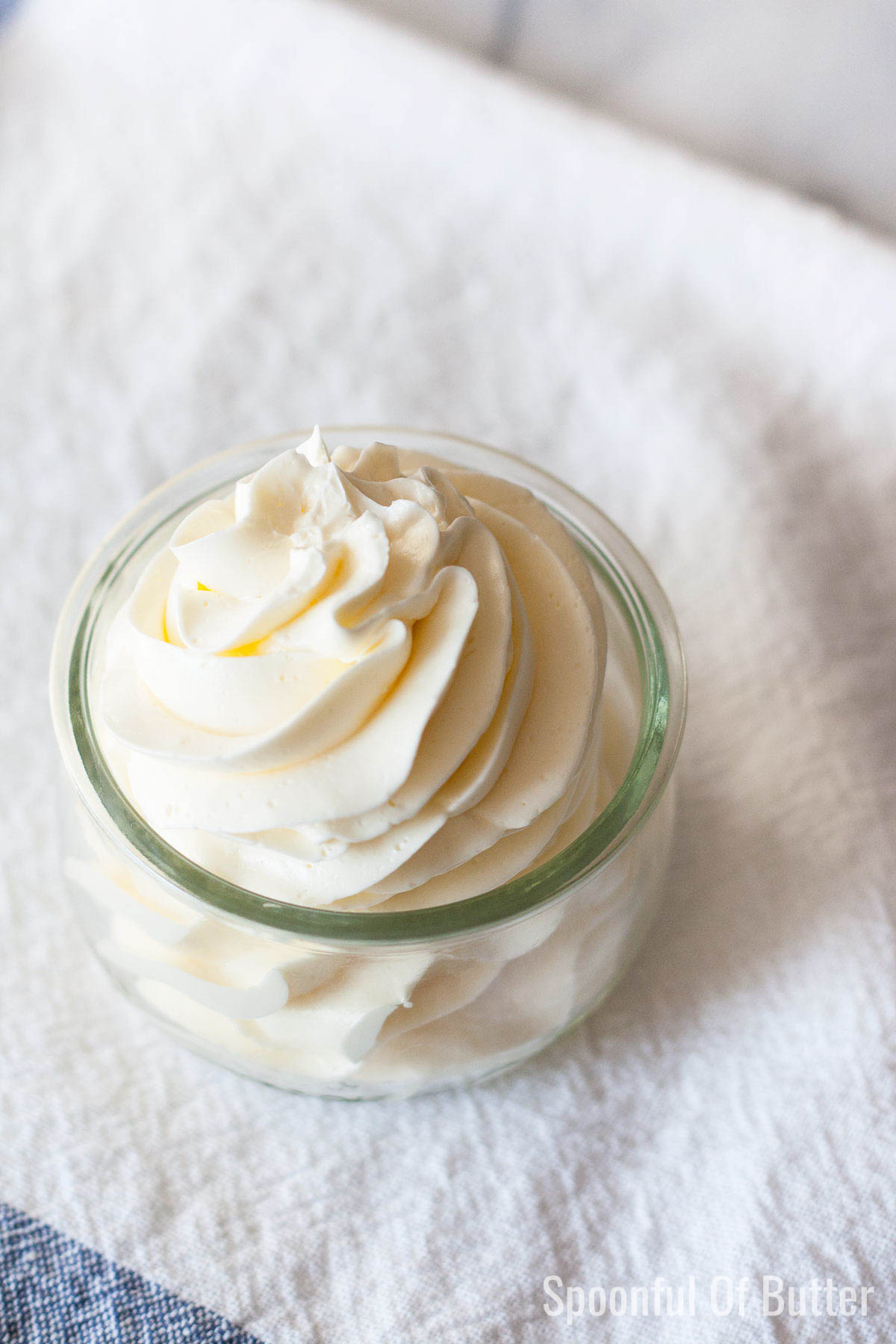
Swiss Meringue Buttercream is made by whipping a mixture of egg whites and sugar that has been gently heated in a double boiler until the sugar dissolves and the eggs are cooked. Cubes of room temperature butter are then gradually added to the meringue, then the flavor ingredients.
For this recipe, I am using vanilla, but chocolate, espresso powder, fruit purees, caramel, and lemon zest are excellent alternatives too! Just like crepes it may seem initimateding to make, but it’s actually doable once you’ve tried it! I highly suggest using a candy thermometer so you don’t have to guess if the egg whites are cooked and all the sugar has dissolved. You would know it’s ready when your thermometer hits 160 F / 70 C.
How to Add Fruit Purée (Like Raspberry) to Swiss Meringue Buttercream
Want to turn this into a fruity buttercream? Raspberry is one of the best (and most popular!) options — but there’s a right way to do it so your buttercream stays smooth and stable.
How much fruit purée should I add?
For this full batch of buttercream, start with:
- 2–4 tablespoons (30–60g) fruit purée
This gives a nice, balanced flavor without affecting the texture.
You can go up to:
- ¼ cup (60g) for a stronger flavor — but anything beyond that may make the buttercream too soft.
The key step: reduce your purée
Fruit contains a lot of water, which can make buttercream curdle or turn soupy. To avoid that:
- Blend fresh or frozen raspberries
- Strain to remove seeds
- Simmer on the stove until thick and jam-like
- Let it cool completely before using
This step concentrates the flavor and keeps your buttercream stable.
When to add it
Add the purée at the very end, once your buttercream is fully whipped and smooth.
What if my buttercream looks curdled?
Don’t panic — this is very fixable!
If it looks separated or too soft:
- Chill the bowl for 10–15 minutes
- Then re-whip until smooth
It almost always comes back together.
Optional: boost the color
Raspberry purée can give a soft, muted pink. If you want a brighter color, you can add:
- A tiny drop of pink food coloring (optional)
Flavor Variations
Once you’ve mastered this Swiss meringue buttercream, you can easily customize it into different flavors. Think of this as your base recipe — from here, you can turn it into chocolate, coffee, fruit-flavored, and more.
Chocolate Swiss Meringue Buttercream
To make a chocolate version, melt about 170–200g dark or semi-sweet chocolate, then let it cool until just slightly warm (not hot). Add it to the buttercream at the very end and whip until fully incorporated. The result is smooth, rich, and not overly sweet.
Coffee (Espresso) Buttercream
For a coffee flavor, dissolve 1–2 teaspoons instant espresso powder in 1 teaspoon hot water, then let it cool. Add it in at the end and mix until combined. This gives a subtle coffee flavor — you can adjust to taste depending on how strong you like it.
Raspberry (or Other Fruit) Buttercream
To make a fruit-flavored buttercream, add 2–4 tablespoons (30–60g) of reduced fruit purée (see notes above for how to prepare it). Always add it at the end once the buttercream is fully whipped. Reducing the purée is key to keeping the texture stable.
Matcha Buttercream
For a matcha version, sift 1–2 teaspoons matcha powder to remove lumps, then dissolve it in a small amount of warm water or milk (about 1–2 teaspoons). Let it cool, then mix it into the buttercream at the end. This gives a subtle earthy flavor and a beautiful natural green color.
Lemon Buttercream
Add 1–2 tablespoons fresh lemon juice plus 1 teaspoon lemon zest at the end. For a stronger flavor without adding too much liquid, you can also mix in a bit of lemon curd.
Tips & Troubleshooting Swiss Meringue Buttercream
- The egg whites should be free of any bits of yolk. I always crack the egg and extract the egg whites in a separate bowl, then once I have a clean (not a bit of yolk) egg whites I pour it into another bowl together with the other egg whites. This is to ensure that if ever there is an egg yolk in it (and this has happened a lot to me!), I would not contaminate the other egg whites and don’t have to start all over again.
- The metal and mixing bowls should be completely dry and clean before use. Ensure that there are no traces of grease.
- The water in the double boiler should be in a simmer. The boiling water should not start the bottom of your metal bowl.
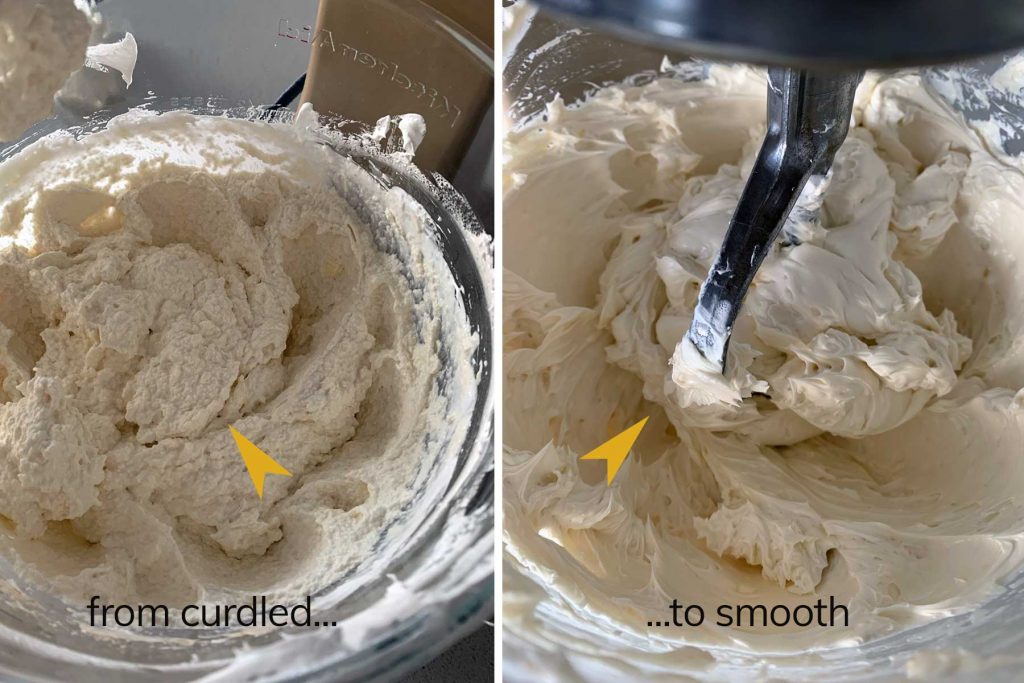
- After adding all the butter the frosting might look curdled. This is okay! Just continue mixing for another 5 mins at medium-low speed (I used speed 4 for my Kitchen Aid mixer) and watch it turn from curdled to silky smooth.
How To Store Swiss Meringue buttercream
Swiss Meringue Buttercream can be stored in an air-tight container in the fridge for up to 7 days or in the freezer for up to 2 months. Thaw frozen buttercream in the fridge. Bring the buttercream to room temperature then remix it again until it is smooth and silky. Let the mixer run on low speed for a few minutes to remove any air bubbles.

Swiss Meringue Buttercream
INGREDIENTS
- 150 milliliters egg whites (approximately from 5 large eggs)
- 250 grams granulated white sugar
- 450 grams unsalted butter at room temperature ((cut into small cubes))
- 2 ½ teaspoons pure vanilla extract
INSTRUCTIONS
- In a metal bowl, put the egg whites and sugar. Whisk by hand. Put the bowl over a saucepan (to create a double boiler) with simmering water. Whisk until it registers 160 F or 70 C on a candy thermometer.
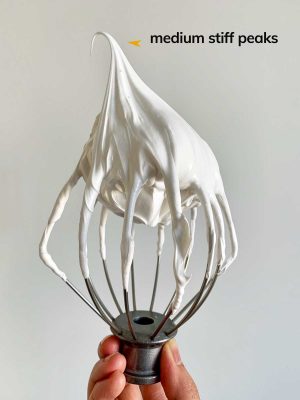
- Transfer the mixture in a stand mixer bowl and beat with whisk attachment on high speed for about 8-10 minutes or until medium-stiff peaks.
- Switch to paddle attachment and on low speed, add the vanilla extract then the cubes of butter a few at a time. Once incorporated, turn up the speed to medium-high until smooth and silky, about 3-5 minutes. Please see recipe notes about curdling.

Hi, I made 1.5 times your recipe to fill and cover a 10-inch cake recipe (4 layers of cake) of the fluffly vanilla cake on your website. Will 1.5 times be enough to cover and fill my cake???
The amount of buttercream you need depends on how much you would use in between layers, on the outside (ex. semi naked cake would use less frosting than a fully covered cake), and with your piping decorations. But if I had to estimate you would need to make 3 batches of this Swiss Meringue buttercream recipe to fill and frost a 10-inch cake with 4 layers.
Can you use this icing to decorate with? Is it sturdy enough to hold shape?
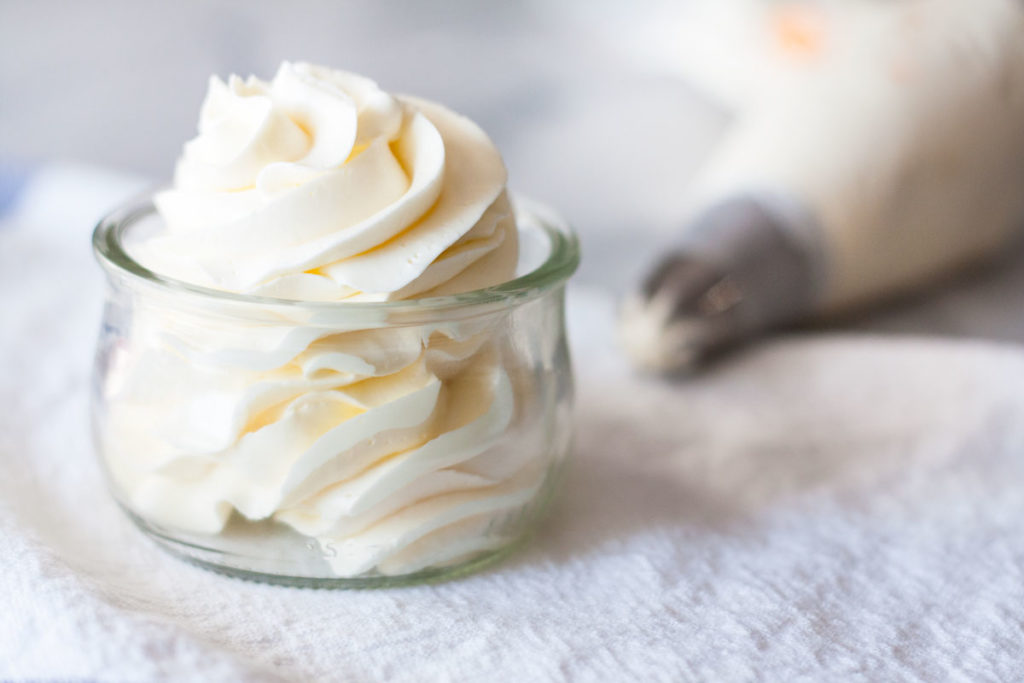
Yes, Swiss meringue buttecream is stable and pipes beautifully!
This is an easy and delicious icing, I sill use this again,
.Its not too sweet like traditional buttercream.
Glad it worked for you, karen! Swiss Meringue buttercream is my go-to frosting, but if I am in a hurry I use this Faux Swiss Meringue buttercream – it’s easier and faster to make!
Mine is has a strong butter flavor. Is that normal?
Hi, Teresa! You should taste the butter but it should be not be the dominant flavor as we have also added meringue, sugar, and vanilla. Was the final outcome of your buttercream silky smooth? Have you tried the buttercream with the actual cake?
I’m looking for a frosting that can be stable on a wedding cake outside. Will this fair well out doors for a summer wedding?
This may not hold up well in a hot and humid weather because it has a good amount of butter and might melt.
Hi Trish
I did my first attempt at doing the buttercream and it turned out great!! I’m so relieved now.
Could I add coloured gel to the buttercream?
Glad to know that, Arlette! =) I remember the first time I made this was a fail because I didn’t ensure that my whisk beater was grease-free.
And yes, you can definitely add gel color to it.
When do I need to take the butter out of the refrigerator to be at room temperature? 1 hour…..
I take it out about 1 to 2 hours before I bake, but it really depends on what your weather is. It takes longer for me during winter time. To test, press your butter and it should give or dent slightly but it should still hold its shape. If you have a thermometer, room temperature butter is at around 65-70 Fahrenheit.
Hi. How do you store this buttercream before you finish a cake the next day? Do you leave it outside at room temperature or in the refrigerator? Thanks!
I keep it in the fridge. Take it out about 30 minutes before using to soften it up a bit. You also need to whip it (about 5 minutes or so) until it becomes light and fluffy again.
Trish, does this buttercream dry up so that I may use it as a base for gild? My daughter wants a partially gilded wedding cake.
Thanks
Hello, Diane! Swiss Meringue buttercream doesn’t dry up.
When is the sugar added?
It’s at step 1…add the egg whites and sugar together. 🙂